About
Investigating the Wreck of the RMS Titanic
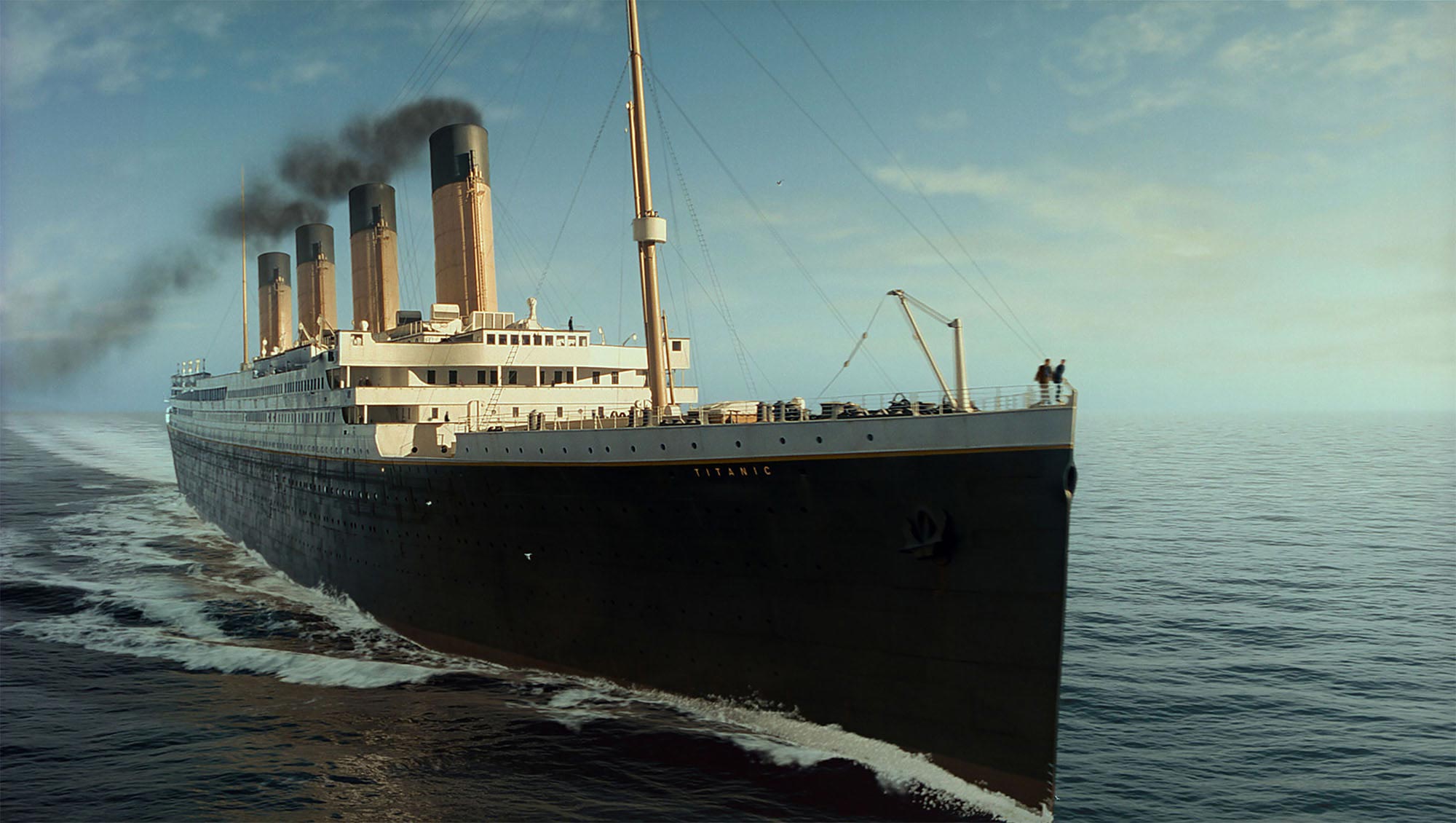
Certainly, most people know the story behind the wreck of what would be the most modern ship in the world at the time. Despite the available technology, after colliding with an iceberg on April 15, 1912, its wreckage killed 1502 people out of a total of 2224 passengers. There are not enough lifeboats for the entire crew and passengers, in addition to several irresponsible attitudes on the part of the crew.
We know, those who survived the wreck were very lucky, but we know that some groups of passengers were “luckier” than other groups. We know that children and women actually had a better chance of surviving. Did Jack have any less chance of escaping his tragic fate than Rose, just because he boarded third class?
With real data available, we can perform exploratory analysis, test hypotheses, and even build a predictive model. We can find out, for example, what our chances of survival in first class would be if we had traveled with our partner and child.
This document aims to describe the entire analysis, where we will, at first, understand the problem. Next, we will explore the data and build two Machine Learning models (Logistic Regression and Decision Tree) to generate predictions.